.svg)


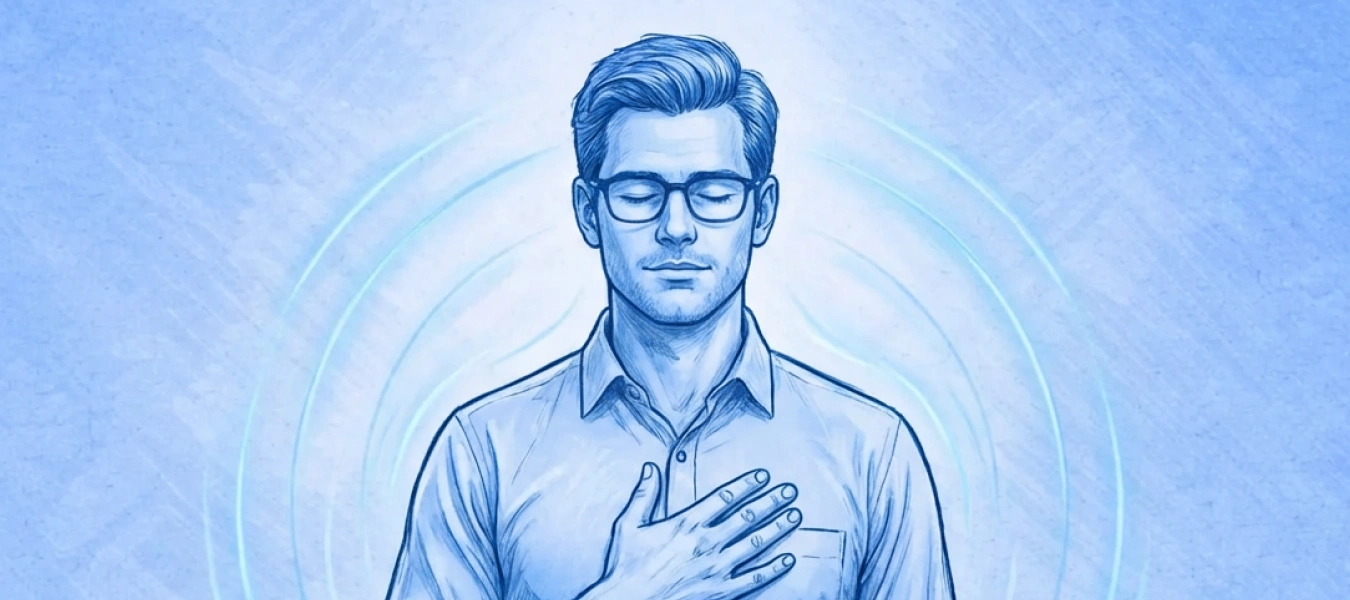
Why Interviews Make Us Nervous
Interviewing taps into some basic fear responses possessed by all people: the fear of judgment, fear of failure, and the fear of the unknown. When asked questions which threaten our current knowledge and our current sense of self, it is quite natural to feel some degree of trepidation about what kind of effects these questions may have on us.
Moreover, the very setting in which the interview takes place can readily intensify our bodily levels of anxiety, as it causes our bodies to be in a strange environment, among strangers. The challenge to be short, sharp, and outstanding within the given timeframe is an added element that contributes to the anxiety levels of the interviewee, even the most experienced professionals included.
Finally, just prior to the job interview, there may, in reality, be even more anxiety involved in this time of expectation than in the experience itself. Weeks of preparation might find the person in a cycle of worrying and rehearsing answers to questions that might never even be asked. Indeed, while it may be a necessary step, the period of mental preparation may also drum up a certain dread in the individual, as they may obsess over the possibilities of tripping over their own words or making the wrong impression.
How to Stay Calm Before the Interview
Interview success requires you to prepare both mentally and physically while maintaining your focus on staying calm instead of focusing on minor details. Simple things like breathing exercises, planning ahead, and focusing your thoughts can really suppress anxiety. That way, you can walk in feeling relaxed and prepared – which is expected after reading the following tips on how to calm down before an interview.
1. Accept Nervousness as Normal
Nervousness is a normal response that people exhibit in situations that are very significant, and many people feel nervous before an interview even when they are well prepared. It is great to try and fight or dismiss nervousness because this is the very thing that increases nervousness levels. First, it is an acknowledgment that when you feel nervous, you care about the results.
Nervousness can simply be perceived as your body's preparation when you embark on a challenge. Many successful people have found themselves faced with this scenario at least once in their life. In consideration of the scenario where you are not alone, you can overcome your nervousness, and your nervousness may seem trivial because you can write down your experiences in a journal and compare them to your past experiences.
Networking generates opportunities—applications, interviews.
Keeping everything organized gets overwhelming when you're actively job searching.

2. Remind Yourself Why You Were Invited
Remember that the interviewers have taken notice of something in your resume. They believe that you have potential that they are curious about. This is going to give you confidence to shift that attitude of self-doubt in your mind to confidence in your skills and abilities.
Make sure to highlight that the process of having the interview is a two-way process and not cross-examination. The point of you having the interview is because of the value that you bring to the company, and they want just as much information from you. It would not be a bad idea to think up a few intelligent questions to show your interest.
3. Do a Short Physical Reset
Sometimes, physical tension can be present alongside nervousness. Spending a minute to stretch your neck, your shoulders, or your hands can relieve such tension. It can benefit your body to unwind, eventually signaling your brain to calm down.
Stepping outside for a short walk while inhaling fresh air will help you relax your mind and decrease your interview stress. A short meditation or visualization practice of a few minutes in length during your pre-interview routine will help you achieve better focus and relaxation through mindfulness practice.
4. Use Simple Breathing Techniques
Amongst the fastest methods to calm your nervous system is to take slow breaths, a simple way many people use to calm nerves before interview situations. That is, slow breathing consists of inhaling for 4 seconds, then retaining the breath for 4 seconds, and finally letting it out for 4 seconds. By breathing and focusing at the same time, it is possible to draw the attention away from the bad thoughts and shift it to the body.
You can apply focused breathing throughout the interview process whenever you feel it is necessary. In addition to that, you could imagine the breathing patterns approaching you and leaving all the tension away, thereby creating a vivid mental picture in your mind, which increases your feelings of calmness.
5. Avoid Last-Minute Overpreparing
Although it is necessary, preparing for the interview by intensifying minute details before the interview may actually help to raise levels of anxiety before interview. Instead, prep work that has been accomplished should be relied upon, and then a break should be taken.
You can use this opportunity to do something that can relax you or go back to the essential details lightly. Your brain will get tired if you cram too much information in it at once just before going into an interview, and consequently, it will be hard to think clearly in the dialog. The time offers you an opportunity to perform activities which help you relax such as playing music you love or diving into a captivating book that prevents your mind from dwelling on stressful thoughts.
Being organized is another factor that can contribute greatly to relaxation during interview preparation and job search. Our job application tracker can serve as a mental relief by offering a single transparent view of the applications, follow-ups, and due dates.
6. Plan Your Arrival Time Wisely
If you go too early, you might have to wait and become nervous about the start, while if you are late, your anxiety will increase. It is best to aim for arrival of 10 to 15 minutes prior to your actual time. This period allows you to get used to the place and do some last-minute mental preparation.
Being on time is also an excellent way to make a good impression on the interview panel, apart from the confidence that comes with having control of the situation. Avoiding the rush and allowing yourself to get to the interview at the last minute may result in you becoming nervous, which is not great during the interview process.
7. Fuel Your Body With Light, Healthy Food
Proper fueling of your brain is a must for its proper functioning. A moderate meal that is high in both proteins and carbohydrates will serve to keep your energy level steady throughout the process of your interview. On the other hand, consuming excessive amounts of any one item can turn you into a sleepy state.
Stay hydrated, as water should be your primary beverage. Avoid caffeine as well as sugar since they will only increase your restlessness. Smart snacking will be a way to manage your focus and mood fluctuations. A great healthy snack combination of banana with almond butter and nuts helps you stay alert without increasing the blood sugar level.
8. Reduce External Distractions
Minimizing all interruptions during your pre-interview preparation and the interview itself is very important since it allows you to be fully focused and prevents the little distractions from increasing your interview nerves. Turning off the message alerts on your phone and not checking your email while waiting in a noiseless place if it is available should be your actions. Your mind achieves focus through the creation of a tranquil environment.
Technology tests must be performed by candidates in advance and a well-lit space should be selected for their online interviews to get a professional look. You can create a great atmosphere during your waiting time if you use noise-cancelling headphones along with soft background music.
9. Treat the Interview as a Conversation
Consider the interview process as not something too stressful, but almost like a conversation between two people, which can significantly reduce tension during a nervous interview. The way you handle this situation will determine how you experience your nerves and unease.
Do not forget the fact that the people you will be interviewing also want to get acquainted with you. The give-and-take process should be well balanced. Even active participation through nodding and eye contact could add to this. Both the interviewer and the candidate would be able to enjoy the experience.
Explore tools like MaxOfJob to keep your applications organized!

10. Focus on Listening, Not Performing
It is simple to find yourself absorbed in ensuring that your responses to every question are perfect and correct, especially when you feel nervous about job interview outcomes, and yet the key to good and effective communication begins with listening.
Active listening also involves respect and interest that interviewees value in the interviewers. When you engage in listening instead of performing, you will observe that the responses you provide are more relevant to the interview or discussion. You could even get some surprising facts that you did not know before by listening attentively to the questions and responses surrounding them.
11. Slow Down Your Speech
When you are nervous your speech gets faster and this makes it difficult for the people around you to catch the meaning of what you say and eventually leads to mumbling. It is a good practice to stop and pardon yourself to think before you start to speak.
Moreover, interposing time between each sentence or each point will allow the interviewer to understand better what you are saying. It gives a slow and steady pace and guarantees you are the one controlling the interview. This ability could be applied in your casual chats and it would be like getting the hang of seeking the right moment to speak during your interview.
12. Maintain Comfortable Posture
Your emotional state gets affected by body language and at the same time it shapes the way others view you. The way you position your body determines your confidence levels and the amount of stress you experience at work. When you sit with crossed arms and bent posture, it shows that you feel uncomfortable and you want to protect yourself.
Keep your feet flat on the floor while sitting upright and keep your shoulders back. Such a position supports aerobic respiration, produces a peaceful expression and power posing before interviews boosts self-confidence.
13. Pause Before Answering
It is no problem to take a brief moment to collect your thoughts before answering a question. A short pause indicates that you need time to consider your response rather than providing a quick answer to the question. The opportunity to arrange your thoughts is beneficial so you should take advantage of it.
It is welcome when job seekers present composed thoughts compared to those who respond rapidly. The technique above will not only help make your answers better, but your ability to critically think will be demonstrated.
14. Focus on the Experience, Not the Outcome
You might be concerned about the outcome of whether or not you will receive the job, but what matters is the experience of gaining knowledge of the firm, telling your own story, and perfecting the art of communication.
Considering interview experiences as learning experiences rather than as evaluations where you have to succeed or fail is one way of overcoming anxiety. It is also an effective way of keeping you motivated and receptive regardless of the outcome of the interview process you undergo.
15. Stay Present and Authentic
Acting naturally is more authentic and powerful than the rehearsed answers that people usually give, and this mindset often helps people understand how to relax before an interview. Acting naturally allows people to respond with authenticity while maintaining human contact during their interview interactions. The practice of being someone else always brings negative results in every situation. Trust your instincts and let your personality shine through.
Authenticity inspires trust and makes an unforgettable impression beyond your qualifications. Consider using personal anecdotes to back your skills and values. Stories will help to form a deeper bond so that you are more relatable to your interviewers.
Conclusion
Job interviews need not be terrifying experiences. Understanding the specific triggers in each situation helps you approach job interviews with greater ease and assurance. People need to recognize their anxiety while directing their attention to work achievements and maintaining their social bonds according to the solution. Your career path will have this event as its next step.


