.svg)


Why Resume Bullet Points Matter More Than Ever in 2026
The job market is a whole new game. Ten years ago, you could get away with being vague on your resume. Not anymore. Hiring managers skim through resumes at lightning speed, sometimes in less than eight seconds, before deciding if you’re even worth a closer look. Your bullet points are what make them stop and pay attention.
Getting this right isn’t just about following a template. Your value needs to be demonstrated right away through distinctive methods. The truth is, the people landing interviews in 2026 aren’t always the most qualified - they’re the ones who know how to talk about what they’ve actually achieved, in a way that clicks with both real people and screening bots.
One thing is clear: strong bullet points are often what get callbacks. Weak ones just disappear into the pile. The good news? Anyone can learn how to do this. The basics haven’t changed much, even if the tech around resumes keeps evolving.
Huge Competition Among Candidates
Remote work changed everything. You’re not just competing with local candidates anymore. That marketing job in Chicago? You’re competing with people from everywhere - Austin, Miami, maybe even outside the country. It’s not unusual for companies to get 250 applications for one job. Every line on your resume needs to count.
Generic phrases like “responsible for managing projects” don’t help you stand out. Instead, think in terms of resume bullets for job cv that highlight measurable value. Hiring managers want to see real proof that you’re better than the other 249 people.
AI and ATS Scanning Technologies
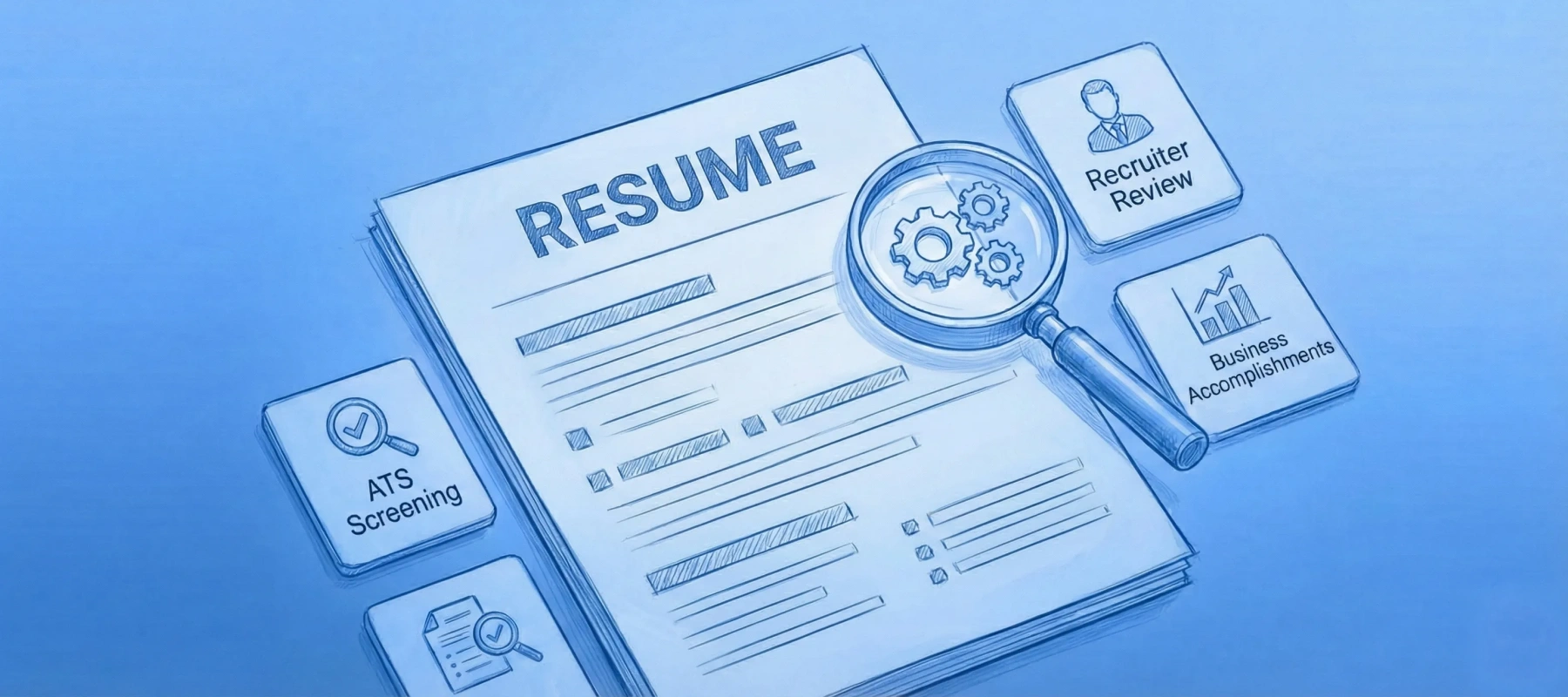
Before anyone at the company reads your resume, it’s being scanned by software. These applicant tracking systems are much smarter now. They use AI to check your language, spot the right keywords, and even figure out if your achievements make sense. Your content needs to work for more than just software filters. You need to show your value through direct explanation while maintaining industry-specific terminology in your bullet points which should be organized to help systems and people understand your content quickly. Strong resume bullet points improve both readability and system matching.
Store your Resumes in one place with MaxOfJob

What Makes a Strong Resume Bullet Point?
No matter what job you’re applying for, strong bullet points have a few things in common. They’re specific. They focus on what you accomplished, not just what you were supposed to do. And they’re always relevant to the job you want.
Start with a Powerful Action Verb
Start every bullet point with a verb that shows you took action. Not “was responsible for” or “helped with”. Use words like led, created, generated, reduced, implemented, designed, negotiated, transformed. The verb sets the tone. “Managed a team of five” is fine. “Built and mentored a team of five” says much more. “Coordinated marketing efforts” is flat. “Spearheaded marketing campaigns” shows you owned it.
Focus on Achievements
Most resumes fail here. They just list what the job was supposed to be, not what the person actually accomplished. The hiring manager already knows what a “marketing coordinator” does. What they don’t know is what you did that made you different.
Ask yourself: What did I do that someone else in this job might not have done? What problems did I solve? How did things improve because I was there?
Add Measurable Results
Numbers make your claims real. “Improved customer satisfaction” is vague. “Increased customer satisfaction scores from 72% to 91% over eight months” is crystal clear. You can measure more things than you think - time saved, money earned, percentage growth, team size, project numbers, client counts. All of that makes your achievements believable.
Tailor It to the Job Description
The perfect bullet point for one company might not matter to another. Read the job post carefully. What are they looking for? What words do they use? Match your language where it fits, and make sure you highlight the achievements that matter to them.
Don’t exaggerate or make anything up. Just put your real accomplishments front and center, based on what this employer actually cares about. That’s what gets you through the pile.
Resume Bullet Point Format Guide
Formatting actually matters more than most candidates think. Inconsistent formatting signals carelessness. Overly complex structures confuse readers. Here's how to get it right.
The Basic Formula: Action + Task + Result
The format uses a dependable resume bullet point format which proves effective for all business sectors. The most reliable bullet point structure follows a simple pattern: what you did, what it involved, and what happened because of it. You can transform this into a standard resume bullet point template which works for various job positions when necessary.
Action: The verb describing your contribution
Task: The specific work or project
Result: The measurable outcome
For example: "Redesigned the customer onboarding process, reducing average setup time from 14 days to 3 days and improving first-month retention by 28%".
All three elements need to be present in the most effective bullet points although each point does not require all three elements.
Proper Punctuation
Use punctuation consistently. Choose one approach: either add periods to every bullet point or remove them from all of them. Most people agree that bullet points with periods look slightly sharper and more polished.
Don’t use semicolons in your bullet points. If you think you need one, your bullet is probably too long. Split it into two, or just make it simpler.
Bullet Consistency Across the Resume
Now, bullet style. Choose one and stick to it. Don’t mix circles, dashes, and squares. Maintain uniform indentation and spacing throughout all your bullet points. Start each bullet the same way - if most begin with a past-tense verb, do that for all of them.
Consistency matters. It shows you pay attention, and that’s something every employer wants. Clean resume bullet point formatting best practices also make resume bullets easier to scan.
Networking generates opportunities—applications, interviews.
Keeping everything organized gets overwhelming when you're actively job searching.

Resume Bullet Point Mistakes
People make the same mistakes again and again when writing resumes. If you avoid these, you’re already ahead.
The classic mistake is listing duties instead of achievements. “Answered customer phone calls” tells the hiring manager nothing. Compare that to “Resolved an average of 45 customer inquiries daily with a 94% satisfaction rating”. Now you’re showing impact.
Your achievements become less clear when you use weak or passive phrases such as “assisted with”, “helped to”, or “was part of”. Be specific about your role, especially when working on team projects. Use bullet points instead of long paragraphs. If a bullet runs longer than four lines, it is no longer doing its job. One or two lines is ideal. Three is okay occasionally, but keep it rare.
Cut what’s irrelevant. That summer job from 2016 probably doesn’t need five bullets. Give more space to your most recent and relevant experience.
Real Resume Bullet Point Examples
These resume bullet point examples demonstrate how structure and results work together.
Examples provide concrete understanding which theory alone cannot deliver. Each bullet point resume example below shows how weak statements can be transformed into measurable impact. The following examples demonstrate how these principles transform content through before-and-after comparison.

Before


After
Before
After
How to Optimize Resume Bullet Points for ATS and AI in 2026
What about writing for both people and resume-screening robots? Your resume needs attention from both automated systems and human readers who will evaluate your document. Here’s what works:
Keyword Optimization Techniques
These are practical resume bullet point optimization techniques that improve visibility without sounding forced.
Read the job posting carefully. A strong resume keyword bullet point naturally integrates required terms into measurable achievements. Identify the keywords they use like “project management”, and use those exact phrases if you truly have that experience. Your bullet points need to show software and method requirements which employers want instead of listing them in a separate skills section. Don’t force keywords where they don’t belong. Let them appear naturally as you describe your work.
AI Resume Scanning Trends in 2026
AI screening systems now possess advanced capabilities to detect when candidates employ empty buzzwords as their primary strategy. These tools require users to arrange their data in a specific way which includes numerical values and well-defined presentation. The good news? If you write clear, specific, achievement-focused bullet points, you’ll do well with both AI and recruiters. The days of tricking the system with hidden keywords are pretty much over.
Stick with clean formatting - no odd fonts, graphics, or tables. This approach helps you create ATS-friendly resume bullet points that pass screening systems more easily. That way, the system can easily read your resume.
Conclusion
Start your resume bullet points with dynamic verbs which demonstrate your results instead of your activities, include numerical data when available, and create your resume content for each specific position you want to apply for. Well-written resume bullet points that get noticed are always focused on outcomes. Fundamental principles continue to work effectively even though technology has advanced through time. The candidates who succeed in 2026 treat their resume as a marketing document, not a job history. Every bullet point must show your unique qualifications for the position which separate you from other job applicants. Multiple job application management becomes essential for applicants who want to find work.
Our job application tracker is a dashboard which lets you track your applications and interviews and deadlines to maintain full control of their job search activities. Get started here.


